
Evaluation and Therapy Services for Children in Charleston, SC

Personalized Therapy from a Passionate Team
Our Approach to Therapy
At Shout Eat Play, we believe therapy should feel supportive, engaging, and meaningful for both children and their families. Our approach is play-based, relationship-centered, and rooted in evidence-based practices. We meet each child where they are and build from their strengths.
We understand that no two children are the same. That is why we take time to listen, observe, and truly understand your child’s communication, feeding, and developmental needs before creating a plan. Therapy is individualized and functional, meaning we focus on skills your child can use in everyday life — at home, at school, and in the community.
Our sessions are interactive and hands-on. We use play, movement, routines, and real-life activities to make learning natural and motivating. For children who use AAC, we model language consistently and support communication in ways that feel empowering and accessible. For feeding therapy, we prioritize safety, comfort, and gradual progress at a pace that respects your child’s nervous system.
Family involvement is a key part of our model. We believe progress happens faster and feels more sustainable when caregivers feel confident too. You can expect clear communication, practical strategies you can use at home, and space to ask questions along the way.
We also value collaboration. When appropriate, we work closely with pediatricians, teachers, occupational therapists, and other providers to ensure your child receives coordinated, well-rounded care.
Above all, our goal is simple: to help your child communicate with confidence, participate fully in daily life, and feel successful. We are here to walk alongside your family every step of the way — with patience, professionalism, and heart.
Evaluations to Get to the Root of the Issue
Evaluations
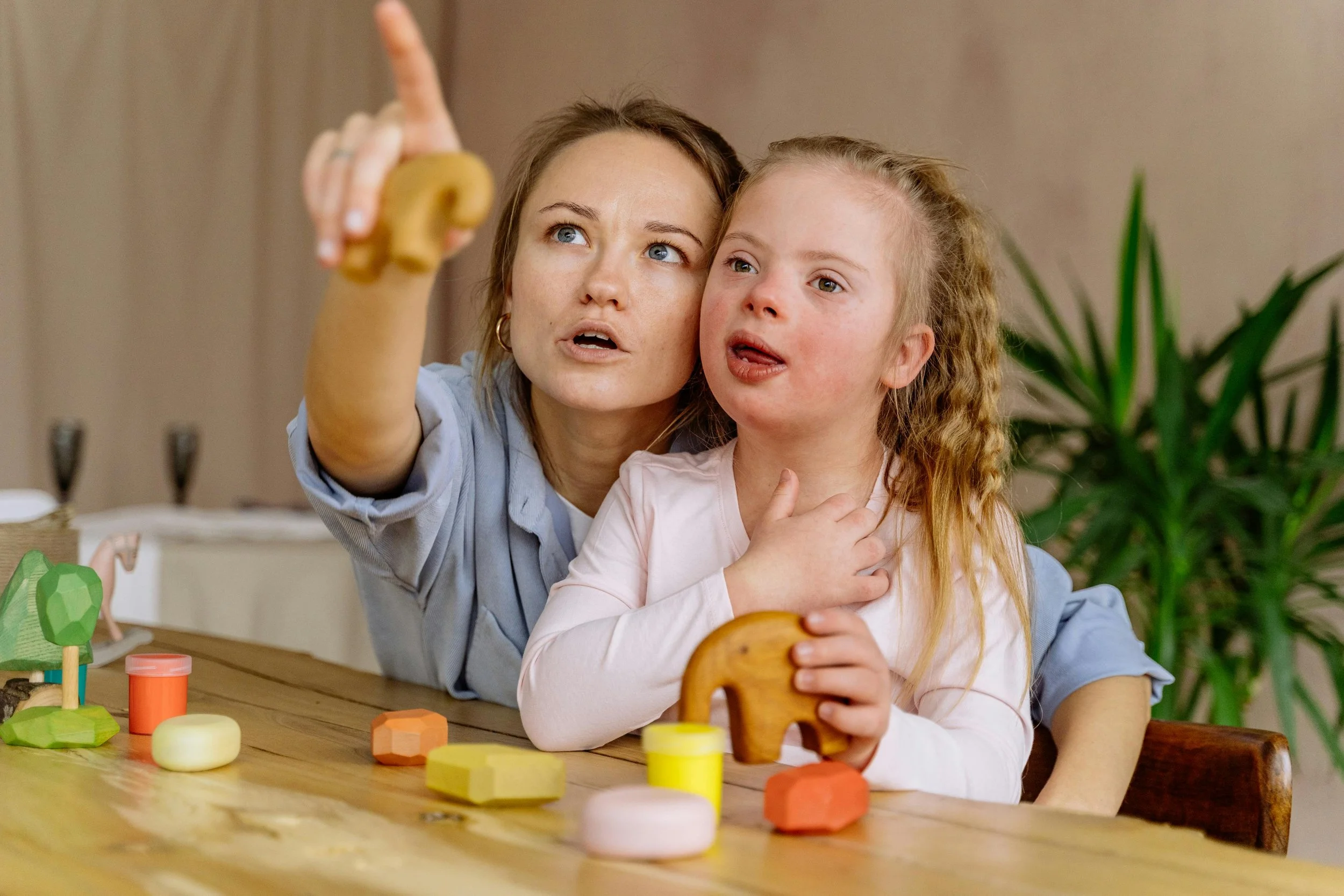
An evaluation is more than just testing — it is the foundation for everything we do. At Shout Eat Play, our evaluations help us truly understand your child’s strengths, challenges, and communication or feeding needs so we can build a plan that actually fits.
We take time to look at the whole child. That means we observe how your child plays, communicates, responds to others, and navigates daily routines. Depending on your child’s needs, we may use standardized assessments, play-based observation, caregiver interviews, and informal measures to gather a full picture.
Why is this important? Because therapy should never be guesswork. A thorough evaluation helps us:
• Identify your child’s current skill level
• Understand what may be impacting communication or feeding
• Determine whether therapy is appropriate
• Create clear, functional goals
• Provide documentation for insurance or physician referrals when needed
We also believe evaluations should feel supportive, not stressful. Our process is child-friendly and interactive. We follow your child’s lead when possible and build rapport first. Caregiver input is a vital part of the evaluation because you know your child best.
After the evaluation, you will receive a clear summary of our findings. We explain results in simple, easy-to-understand language — no confusing jargon. We review strengths, areas of need, and recommended next steps so you leave feeling informed and confident.
A strong evaluation sets the tone for effective therapy. It ensures that services are targeted, meaningful, and aligned with your family’s priorities. Our goal is not just to assess your child, but to understand them — so we can help them grow with confidence.
Our Specialties
Feeding
What It Is
Feeding therapy helps children who struggle with eating, limited food variety, chewing, swallowing, or anxiety around meals.
Who We Help
We support infants, toddlers, and young children with picky eating, sensory sensitivities, oral motor delays, or medical-related feeding challenges.
Skills We Teach
Trying and tolerating new foods
Safe chewing and swallowing
Expanding food variety
Positive, low-pressure mealtime routines
Our approach is gentle, play-based, and family-centered. We focus on building comfort and confidence around food — never forcing, always supporting.
AAC
What It Is
AAC includes tools and systems that support communication for children who are not yet speaking or who have difficulty being understood. This may include picture systems, communication boards, or speech-generating devices.
Who We Help
We support children with speech delays, autism, developmental differences, genetic conditions, or motor speech challenges who need another way to express their wants, needs, and ideas.
Skills We Teach
Requesting wants and needs
Answering simple questions
Expanding vocabulary
Building phrases and sentences
Communicating during daily routines
AAC does not prevent speech — it supports it. Our goal is to give every child a reliable way to communicate so they can participate confidently at home, school, and in their community.
Bilingual
What It Is
We offer bilingual speech therapy services for families who speak more than one language. Therapy can be provided in both English and Spanish to ensure children are supported in the language(s) they use at home.
Who We Help
We support bilingual children and families who want therapy that respects their culture, language, and communication style. Services are designed to strengthen skills across languages, not replace one with another.
Skills We Teach
Speech and language development in both languages
Vocabulary growth
Sentence building
Functional communication for home and school
We believe children can successfully learn and grow in more than one language. Our bilingual therapist helps families feel understood, supported, and confident throughout the therapy process.
Early Intervention (Birth-Three)
What It Is
Early Intervention provides therapy services for infants and toddlers (birth to age three) who show delays in communication, feeding, or overall development. Support during these early years can make a lasting difference.
Who We Help
We work with babies and toddlers who may not yet be talking, are using fewer words than expected, have difficulty understanding language, struggle with feeding, or have developmental concerns.
Skills We Teach
First words and early communication
Following simple directions
Play and social interaction skills
Early feeding and oral motor skills
Caregiver strategies for daily routines
Sessions are play-based and often take place in the child’s natural environment, such as the home or daycare. We partner closely with caregivers to build skills into everyday routines in a way that feels natural and supportive.
Expressive and Receptive Language
What It Is
Expressive language is how a child shares their thoughts using words, gestures, or sentences. Receptive language is how a child understands what others say. Some children may struggle to express themselves clearly, understand directions, or answer questions appropriately.
Who We Help
We support children who are late talkers, have limited vocabulary, struggle to form sentences, have difficulty following directions, or seem to “tune out” when spoken to.
Skills We Teach
Expanding vocabulary
Building phrases and sentences
Answering WH-questions
Following directions
Improving listening and comprehension skills
Our sessions are interactive and play-based, helping children grow their communication skills in ways that feel natural and meaningful in everyday life.
Articulation and Phonological Disorders
What It Is
Articulation and phonological disorders affect how clearly a child produces speech sounds. Some children may substitute sounds, leave sounds out, or use speech patterns that make them difficult to understand.
Who We Help
We support children who are hard to understand, mispronounce certain sounds, or continue using immature speech patterns beyond the expected age.
Skills We Teach
Correct production of speech sounds
Clear word and sentence formation
Reducing sound substitutions or omissions
Improving overall speech clarity
Therapy is structured yet engaging, helping children practice sounds in a supportive way while building confidence in their ability to be clearly understood.